Where plumbing leaks actually start in a house
Most leaks start at a connection, not a straight run of pipe, once you know where to look.
September 9, 2026 · 3 min read
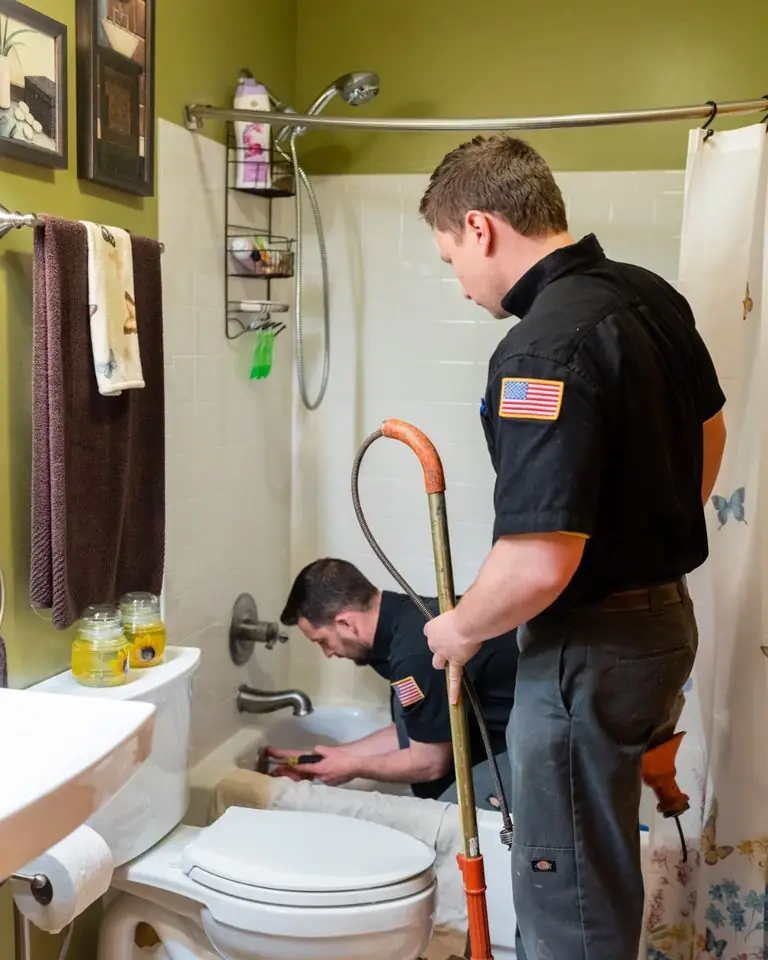
When people ask where a leak is most likely to start, the honest answer is: wherever a pipe connects to something else. Straight runs of pipe rarely fail on their own. It's the connections, the joints, the valves, the places where flexible meets rigid, where age and vibration and a bad install eventually show up as water where it shouldn't be.
Knowing the usual suspects doesn't just help you catch a leak sooner, it helps you know what to check first the next time something seems off, whether that's a damp cabinet floor or a water bill that doesn't match the season.
Supply lines under sinks, behind the washer, behind the fridge
The flexible supply lines running to faucets, toilets, dishwashers, washing machines, and ice makers are some of the most common leak points in any house, simply because there are so many of them and most are out of sight. A braided line that's been in place for fifteen years, tucked behind an appliance nobody moves, is exactly the kind of thing that fails quietly until a cabinet floor or a laundry room ceiling below shows the damage.
These are also some of the cheapest leaks to prevent. A quick look behind appliances once or twice a year, checking for any dampness or corrosion at the connection, catches most of these before they become a real problem.
The water heater's connections and its relief valve
A water heater has several places water can escape: the cold and hot connections at the top of the tank, the drain valve near the bottom, and the temperature and pressure relief valve that's supposed to open only if pressure inside the tank gets dangerously high. A slow drip from any of these is worth taking seriously, and a relief valve that's actively discharging water is a sign of a real pressure problem, not routine wear.
Because water heaters usually sit in a basement or utility closet, a slow leak here can go unnoticed for a long time. It's worth checking the area around the tank periodically rather than waiting for a puddle to be obvious.
An outdoor spigot left charged over winter
Hose bibs that get left connected to a hose, or that aren't properly drained before the first hard freeze, are a well known cause of spring leaks in this part of Ohio. Water trapped in the line freezes, expands, and cracks the pipe, and the damage doesn't usually show up until the weather warms and the spigot gets used again, water spraying inside the wall instead of outside.
Disconnecting hoses and, where the plumbing allows it, shutting off and draining outdoor spigots before winter is one of the simplest things a homeowner can do to avoid this.
A leak you can't see: slab and underground water lines
Some of the hardest leaks to catch are the ones buried under a slab foundation or running underground between the meter and the house. There's no puddle to notice, just a warm patch on an otherwise cool floor, a water meter that keeps ticking even with every fixture in the house shut off, or a bill that's noticeably higher with no obvious explanation.
These leaks matter enough to investigate quickly, because water running unseen under a slab for weeks or months can undermine the foundation itself, not just waste water.
A leak that shows up nowhere near where it started
Drain leaks are deceptive because water follows gravity and framing, not the shortest path back to the source. A stain on a ceiling might trace back to a shower pan two rooms over, or a supply line a full floor up. Chasing the stain itself rarely finds the leak. Tracing the pipe run that actually passes through that space usually does.
This is one of the better reasons to have an actual plumber look at a ceiling stain rather than just patching the drywall and hoping it doesn't come back. A patch over an active leak just hides the problem until it's worse.
Most leaks give some kind of warning before they become an emergency, whether that's a slightly damp cabinet, a spigot that sprays sideways, or a water bill that doesn't add up. If something looks off, it's worth having it checked before it turns into a bigger repair.
Amanda Plumbing Sewer & Drain, (740) 369-5161
Call (740) 369-5161More articles
Six things to check before you hire a local plumber
A quick guide to separating an established plumbing company from a truck with a magnet sign, before you need one in an emergency.
Signs your plumbing system is due for more than a quick fix
How to tell an aging plumbing system's warning signs apart from a one-off problem.