The toilet repairs that save real money over time
The most overlooked fixture in the house is often the most expensive one to leave alone.
September 9, 2026 · 3 min read
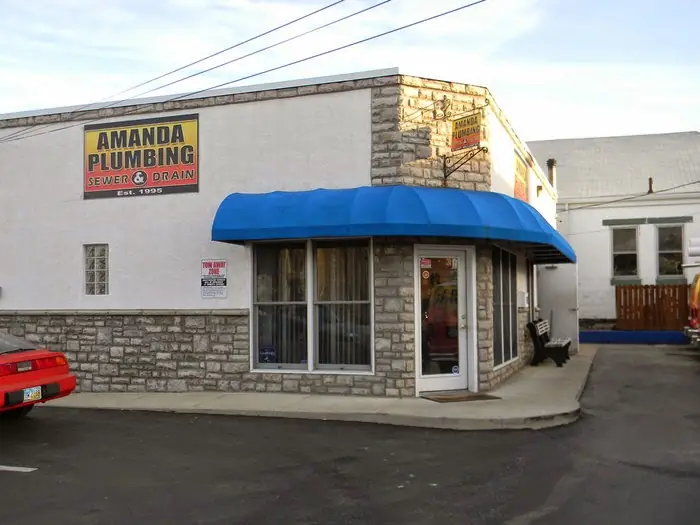
Of all the plumbing repairs in a house, toilet repairs get put off the longest, probably because a toilet that still flushes doesn't feel broken. But a toilet with a small, ongoing problem is often the single most expensive fixture in the house to ignore, not because the repair itself is costly, but because the water it wastes and the damage it can cause add up quietly, month after month.
A flapper that isn't sealing
The flapper is the rubber seal at the bottom of the tank that lifts when you flush and drops back down to hold water in the tank between flushes. Once it warps, cracks, or just stops sealing evenly, water trickles from the tank into the bowl constantly, and most people never notice because it doesn't make an obvious sound and the bowl doesn't overflow.
A flapper that's running even a small, steady trickle can waste a meaningful amount of water over the course of a month. It's one of the cheapest parts in the entire house to replace, and it's usually a fast fix once someone identifies it as the problem rather than assuming the toilet is just old.
A toilet that rocks
A toilet that rocks even slightly when you sit down usually means the wax ring underneath, the seal between the toilet base and the drain pipe, has been compromised. Every time the toilet rocks, it works that seal a little looser, and a failed wax ring lets water seep out at the base with every flush, often without an obvious puddle since it can run down into the subfloor rather than out onto the tile.
Left long enough, that slow seepage rots the subfloor underneath the toilet, which turns a straightforward reseal into a repair that involves cutting out and replacing damaged flooring. Catching the rock early, before the floor is affected, is a much smaller job.
A fill valve that never quite shuts off
The fill valve controls how the tank refills after a flush, and it's supposed to shut off completely once the tank reaches the right level. A worn or misadjusted fill valve can keep trickling water into the tank, or into the overflow tube, indefinitely. It usually shows up as a toilet that makes a faint running or hissing sound between flushes, or one where you can hear water moving in the tank when nobody's touched it.
Like the flapper, this is a small part with an outsized effect on the water bill if it's left alone. It's also a good example of a repair that costs a fraction of what a running toilet quietly costs in wasted water over a year.
Why these repairs pay for themselves faster than people expect
A flapper, a fill valve, and a wax ring all share the same story: a small part failing quietly, wasting water or damaging a floor a little at a time, for months before anyone notices. None of them are urgent in the way a burst pipe is, and that's exactly why they get pushed to the bottom of the list.
The math works against waiting, though. A toilet that runs quietly around the clock adds up over a full billing cycle, and a wax ring that's been failing since spring can mean a subfloor repair by the time anyone gets around to calling. Fixing any of these the first time they're noticed is almost always the cheaper path.
Repair or replace: how to actually decide
Most toilet problems, a bad flapper, a worn fill valve, even a first time wax ring failure, are worth repairing rather than replacing. The parts are inexpensive and the fixture itself is usually fine. Replacement starts to make more sense when the same toilet has failed more than once, when the porcelain itself is cracked, or when a rocking toilet has already let water into the subfloor and that floor needs to be addressed anyway.
The honest answer to which one applies to your toilet depends on actually looking at it rather than guessing from the symptoms. A flapper and a cracked tank can both cause a toilet to run, and they call for very different fixes.
None of these are complicated repairs, and none of them should be expensive. What they have in common is that putting them off costs more than fixing them, in water, and sometimes in the floor underneath. If something in your bathroom has been running, rocking, or hissing longer than you'd like to admit, it's worth having it looked at.
Amanda Plumbing Sewer & Drain, (740) 369-5161
Call (740) 369-5161More articles
Six things to check before you hire a local plumber
A quick guide to separating an established plumbing company from a truck with a magnet sign, before you need one in an emergency.
Signs your plumbing system is due for more than a quick fix
How to tell an aging plumbing system's warning signs apart from a one-off problem.